Building Culture When Work Follows You Home
Over the last 7+ years of professional experiences I’ve been on a wide array of teams, worked alongside a number of character archetypes, and more. I’ve had different feelings associated with every company I’ve been at and continue to surprise myself at how much i’ve learned interpersonally from each one.
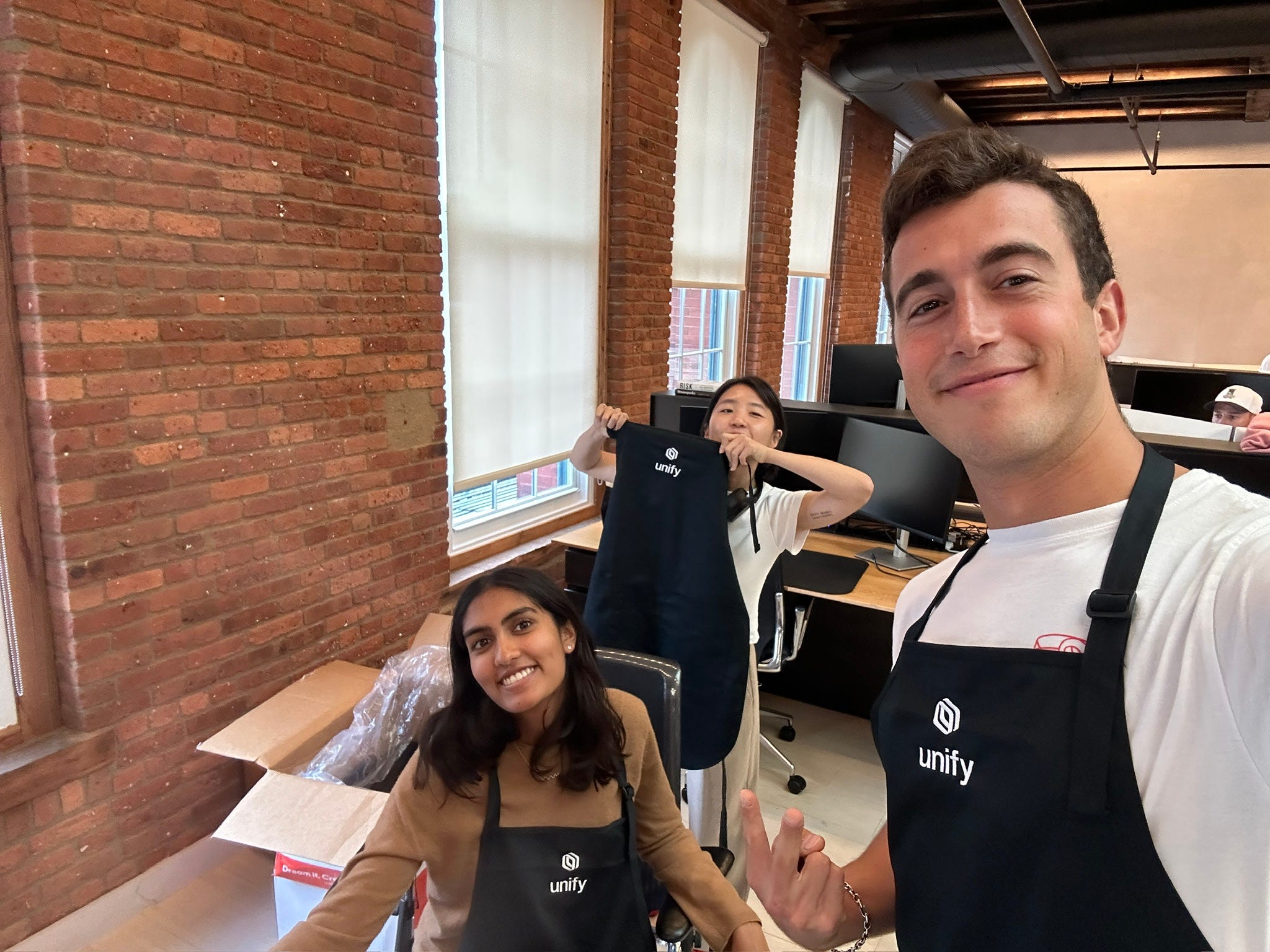
This learning has only accelerated during the last 6+ months while i’ve been running my own GTME agency. I’ve quickly speedrun thru GTME builds for teams like Stuut, SuperDial, Antimetal, Patlytics, and many more.
The one thing I continue to come back to over and over again is “how to build culture”. To me, I think it’s the most important thing a founder can focus on, or really anyone who wants to be a core contributor to their Company.
How can I create an environment that people want to work in.
I don’t even know how to define Culture, but think it’d be fair to say:
Culture is the pattern of actions and behaviors that a team chooses to reward
Work life balance no longer exists (i think)
When I was in banking working late nights and weekends, my parents shared with me that when they were kids, they couldn’t be reached as frequently via phone or computer. Their work lives slowed down (or stopped) when they left the office as they simply didnt have the tech for their bosses to chase them down. Their work place was just for work.
And if their bosses did need to reach them late at night or on a weekend
“it was a bigger deal, so they would have to call dad to get me on the phone for example, so it was more obvious that they were breaking boundaries to a degree and most senior people felt bad about it and appreciated the dedication. All of that seems to be taken for granted now.” - my mom :)
This created a natural barrier between work and life.
Now with everyone a slack message or phone call away, that divide no longer exists.
In banking and PE and even in startup land I’ve been pinged at all hours needing to provide results, comms, or assurance to teams. It’s part of building something great - and i’m here for it.
In a world where work can reach you anywhere, anytime - I fundamentally believe that if we want to ask people to work more, work needs to be a place that is about more than just work. It needs to be a place that is personally fulfilling (of course). But moreover it also needs to be a place that is social and fun too.
And frankly, I think that is at odds with many work environments.
The expectation teams have is for people to work more, but nothing else gives.
Why should we expect people to work all the time and consequently, to lose sight of everything else?
Maybe it’s about creating barriers and setting expectations, but it feels hard (for me at the very least).
Be Friends with Your Coworkers / Work with People You Like
If we crunched the data, I think (and I hope) that some of the best teams of the last 5-10+ years are ones that have managed to mix the importance of work, fun and social, and more.
When I think of Ramp, Pylon, Cursor, and more - I think of teams who have managed to do it all. A collection of individuals who want to win, but actually care about one another to the point where they do want to hang out outside of work. Folks I know at Ramp go out to dinners 3-4x a week, outside of the office. It’s about work sure, but it’s also about more than work too.
When I’m friends with my coworkers, opening up my laptop with them on the weekend is never an issue, nor is it when we’re laughing working thru the wee hours of the night.
Sure you work on weekends and late at night because you want to win, but you also do it because it’s fun. And sure it can be fun because you’re building something big and you have an immense amount of responsibility, but also don’t you think it’s because you’re working with friends? After all, your coworkers have become your friends... If you’re devoting 12+ hours of your day to the people sitting next to you and they’re not your friends (or some flavor of it)…. what’s the point?
But my question is, how can we create this space? How can we continue to cultivate it? And dangerously, is it possible to build a big company with strong culture?
Is Culture Only for Startups?
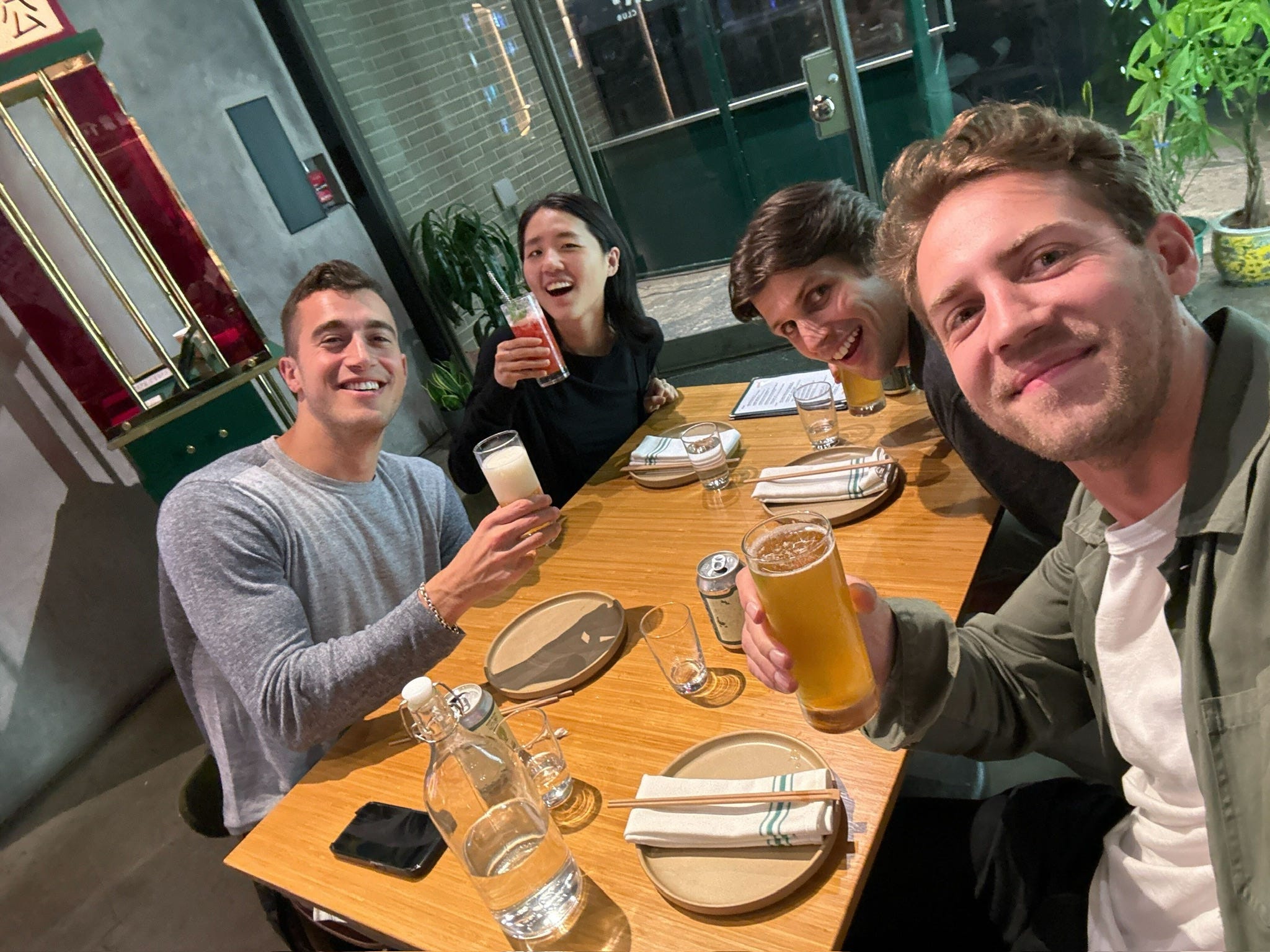
I think that most teams probably start out with strong culture. To me, the best early teams feel more like family anyways. It’s a group of people who know they’re trying to do the impossible. Pylon has said from a very early stage, they’re trying to kill Zendesk… Along with this there’s inside jokes, regular banter, recurring themes and behavior, and traditions.
It’s a small, talent dense group of people who know what they’re getting themselves into and know why they’re doing it. They want to learn, they want to build, they want to be part of a 0-1 story, and they want to have concrete impact.
That’s what I want at least - to come in to work every day, know everyones names, and get to interact with each person in some capacity. To be able to get to know everyone and sit at lunch with them or hang with them on the weekend here and there..
As a funny sidebar, one of my best work friends from Morgan Stanley, Sydney, still gets angry at me for introducing her to others as my “work friend” → we have spent so many hours crying and laughing and having fun together that she insists she deserves the dropping of the word “work”, that we’re just regular friends!
But maybe that state of building is reserved only for early stage teams…. (still one of my favorite substackers out there) wrote this piece back in July of 2025 that has stuck with me to this day:
To the extent that there is anything romantic about startups, most of it comes before all of this [normal startup work]. It isn’t entirely right to say that startups are innovative and creative in their early days, and calcify when they start trying to “sell to the enterprise,” but it’s not entirely wrong either. Early in their lives, startups kind of are that idealized passion project; once they begin chasing quarterly targets, they become a business, and all the jobs that come with that.
It is also in that transition when a company’s ambition—the real, de facto, on-the-ground ambition, not the phantasmic mission statement that everyone has to pretend to be motivated by - gets defined. Prior to building all of this operational infrastructure, startups really can build what they want, hire who they want, and be what they want. They can pitch big visions or narrow ones; small improvements or revolutions. They are kids, still taking prerequisite classes and trying to decide what to be when they grow up.
I think this is interesting → at a certain point an idea will become a business, and the business needs to reflect that. By the time you raise a Series B, you need a financial model (if not sooner), you need BizOps and procurement people, maybe you even need HR or Legal folks.

But maybe I want to stay a kid forever (in the culture sense), and build a company around that.
But maybe AI is changing how we hire
But maybe AI and the infrastructure of today afford a new benefit to the startups of the AI age, to build a Company that can scale further than any before, and do it in a way that allows them to keep that starry eyed feel.
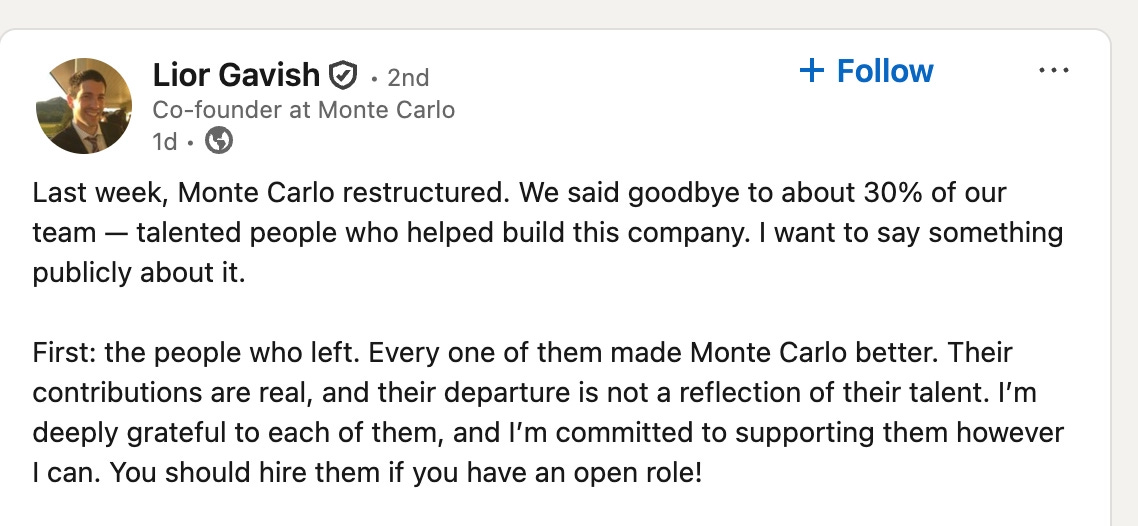
A few weeks ago, Monte Carlo laid off 30% of their staff. Not because they were underperforming, but because management realized we have entered a new paradigm of building with AI. In Lior Gavish’s public post about it, he shared
We’re operating in an era where AI is compressing what used to take large, specialized teams into something that a smaller, more focused group can now do — faster, and better. We’ve seen this firsthand inside Monte Carlo. PMs shipping working features. Support teams closing issues they would have escalated a year ago. Sales Engineers shipping new integrations for our customers. The productivity unlock is real, and it’s accelerating.
Does this mean we can make organizations flatter, use tools for increasing amounts of leverage, and we can empower teams to do more with less?
Culture is Founder Led
And so with my second point, I think culture is truly founder-led / top down. When someone is your boss, you work for them, learn from them, you complain about them (to your s/o, your friends, your coworkers, maybe even your therapist). You are, for better or worse, learning from them.
If your founder prioritizes meeting new hires and getting acquainted with them, you’re likely to do the same
If your founder chooses to talk about work at a team dinner instead of your hobbies outside of work, you’re likely to do the same
If your founder is willing to make jokes or have a drink with the team, you’ll most likely be willing to do the same
If your founder shows empathy when you lose just as much as they celebrate you when you win, you’ll remember it and choose to act the same to coworkers
I think this must be such an underrated part of being a founder - not only acting as a professional role model for your team (working hard, demonstrating output, etc.) but also a role model in other aspects too. A lot of founders are first timers, so can’t be too critical here (and I certainly can’t relate (yet)), but nonetheless
I was invited to join the Antimetal team on their offsite a few weeks ago. They have ~20 people on the team, and even as an outside consultant, I was touched by the closeness that I felt the team shared. It warmed my heart and made me remember what makes doing this with people you care about so special.
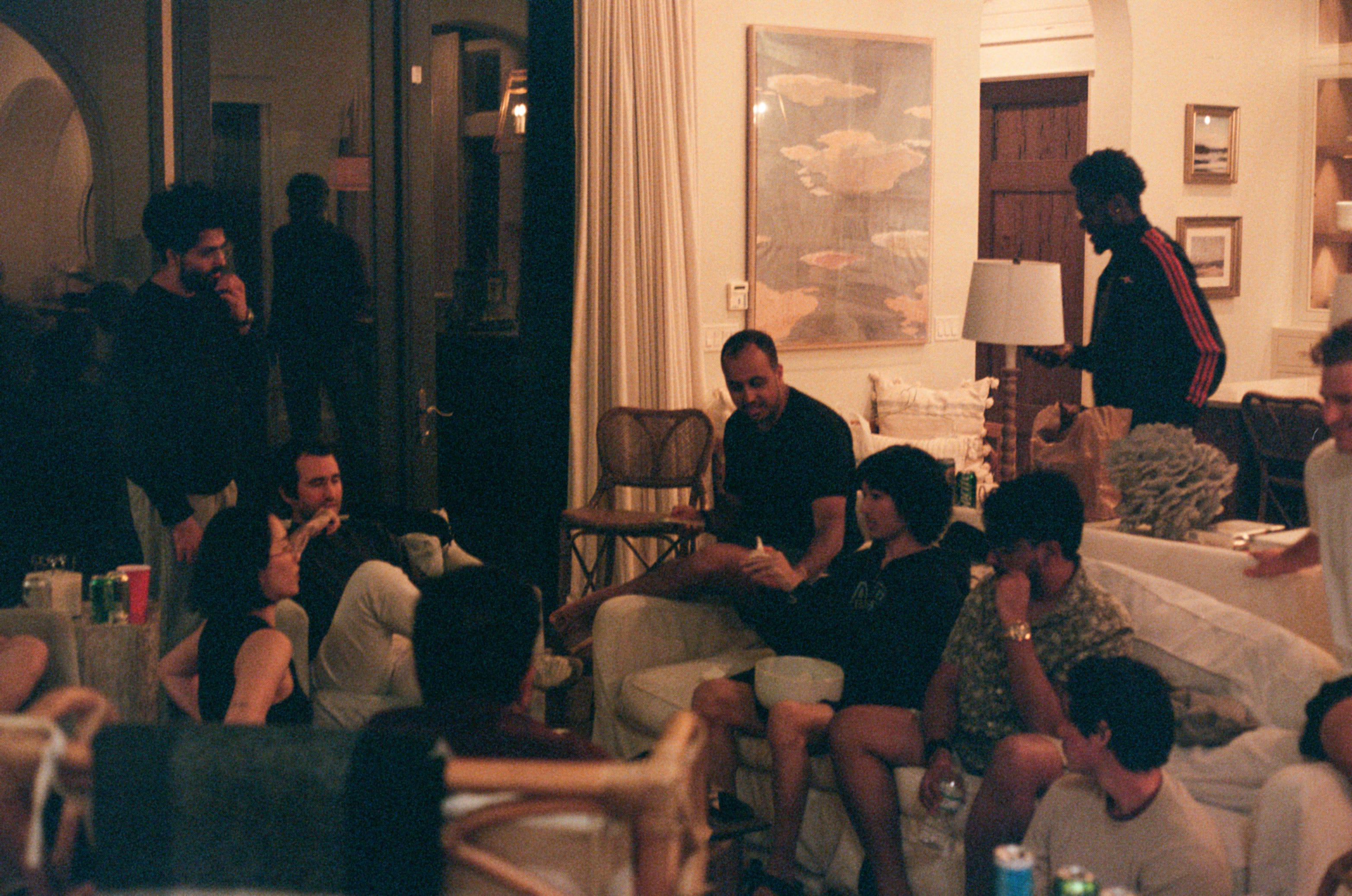
There were two moments that stood out most to me:
On the second night, the whole team got together in our living room and everyone played Fishbowl and Headsup together - there was laughing and a shared sense of belonging that frankly I missed not being a FT employee; but it also reminded me of how important these moments are to have outside of the workplace with your coworkers. These moments create a shared bond between coworkers that transcends simple work riffs or other laughs.
At a BBQ dinner, Matt and Shreyas took the time to walk around to each group of people to eat and talk with them. Shoot the shit and make sure everyone knows that they care about them. We can all choose who we spend our time with outside of work, and I am careful to spend time with the ones that I want to prioritize because I want them to know I value them. Matt and Shreyas chose to do this with each and every team member. It’s simple, but it’s so f*cking important.
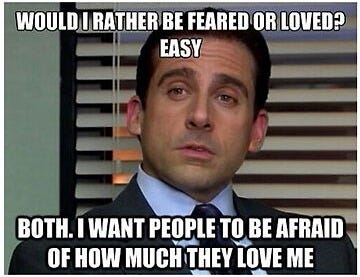
Finally, a former Unify colleague put it well recently - leadership posture maps back to Machiavelli: as a leader, you can choose to be feared or loved. Either works. What doesn’t work is trying to be both without ever making clear which behaviors earn which response. Your team is always reading you - you might as well make it clear what earns either response.
Want to be loved? Act like it. Want to be feared? Act like it. Want both? At least be explicit about which behaviors earn which.
So what does this all mean
I’m not entirely sure. To build a big company I still think you need a ton of people.
But the companies of tomorrow may be even more efficient than the ones today. With nearly every vertical of organizations being collapsed by verticalized AI tooling (for that org) it feels like we could exist in a world of 2-3-person organizational pods.
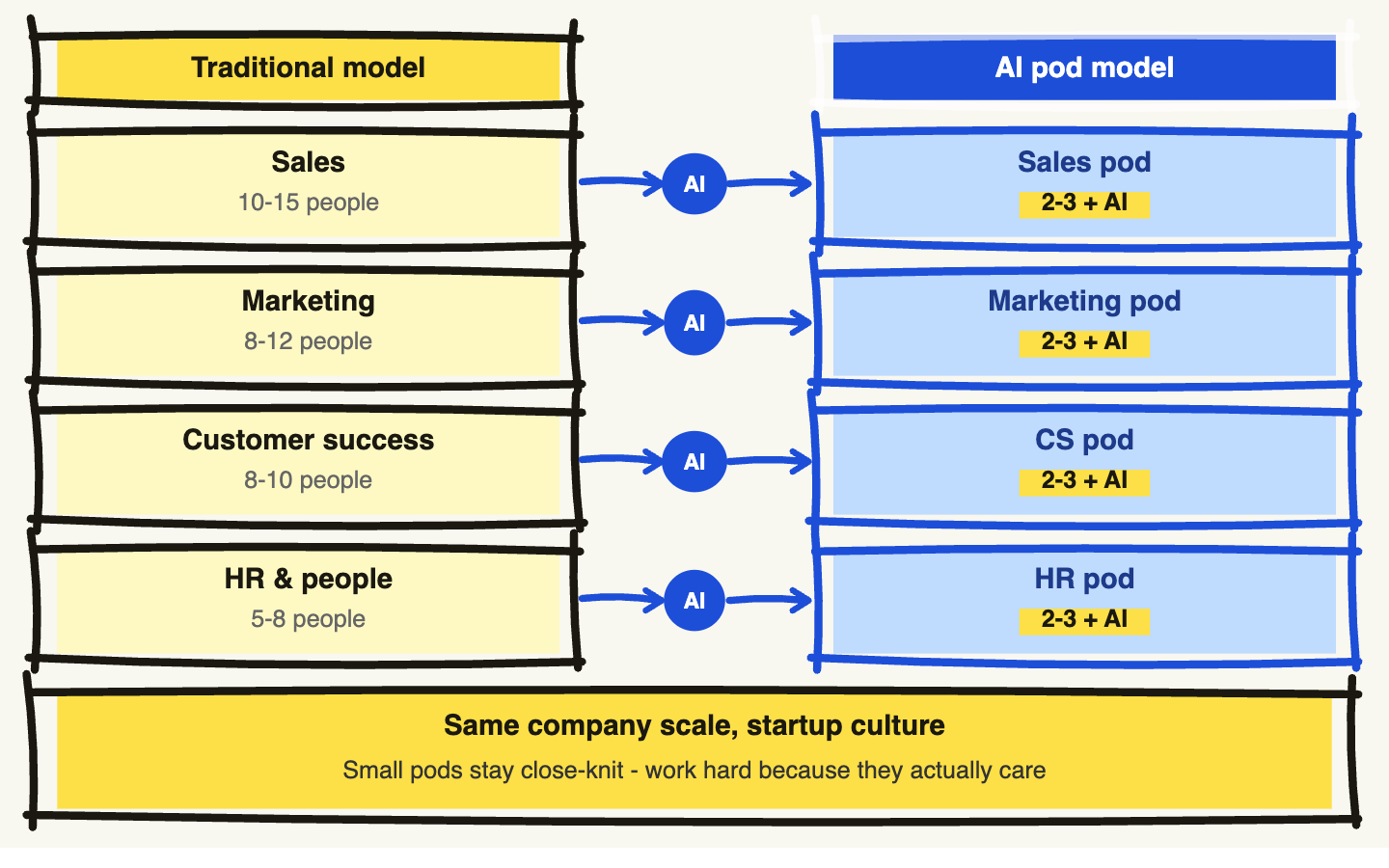
Sales, Marketing, HR, People, Customer Success - if we’re building AI to automate all of this, shouldn’t we be able to plug 2-3 of the very best into each of these roles and enable them to build a Company with the same scale as the companies of yesteryear?
In a big company, teams instead can become very close. Skyler Mickunas has done a phenomenal job at this with the BDR squad at Unify. He hires the best bizdev reps out there, and if asked all of them will go to bat for him. They hang on the weekends, and the sense of camraderie is palpable.
Compensation trends are changing as well - if you’re hiring less and your employees can do more, there’s rationale to explore improving peoples equity compensation and cash comp.
No VC wants to hear that you want to have a small team, and If I want to go solve an enormous problem I certainly don’t think its easier to do that with a smaller one; but I do want to find a way with the technology of today to build scalable systems that enable us to build something for our company that is fun, fulfilling, and important.
So what could this look like? (cue spongebob meme)

Founder led - Founders who are incredible executioners and also focus on building a team. Employees want to work for people they respect, people they look up to, and also good, down to earth humans. In a leaner world where we can move faster - it is ever more important to breed and cultivate a culture that you want for the lifeblood of the organization.
Show empathy and be human - this is probably my biggest belief - as a leader and as an employee it is so important to be human and show empathy to everyone especially when things aren’t going your or their way. These moments solidify culture and show people your true character. Treat others the way you want to be treated and act gently to others :)
Give a shit - Teams who actually give a shit - not just about work, but about you, and about getting you to stay.
Be fun - Crazy right? Create an environment with laughs, (appropriate) jokes, and one that makes people smile. Host random hackathons, sales spiffs, games, and touchpoints that people will remember and look back fondly upon. Give people something to smile and tell their families about.
Intentional team building - When you’re invited to a company sponsored happy hour, you know its about selling other companies on your product. If I have to choose that or doing something I enjoy, I’ll probably choose the latter. If teams can create events that that doesn't consist of just talking about work, I think people will enjoy it more, and will choose to attend that more often than not in the future.
Emphasize atypical cross-collaboration - Create an environment where everyone collaborates with eachother and everyone spends time with one another. Make sales actually hang with engineering. Make design interact with finance. Don’t allow people to be strangers..
Avoid company politics - If you hire people to handle a function and they deserve or show the ability to lead it or contribute more, empower them to do so. If you hire folks who expect an ability to grow into a leadership role, pave the path for them to get there. Avoid people who play games and report on things that don’t matter or massage leadership to think they’re solid.
IRL (mostly) - body language isn’t read as well over Zoom. Figure out a way to plant your HQ where the vast majority of your team is. You’ll work faster, harder, and get to riff with people IRL and not just send passive aggressive messages via Slack.
Hiring slowly and deliberately - culture breaks fastest when you hire for headcount instead of fit. Every bad hire taxes the whole team socially, not just functionally.
Shared suffering - some of the tightest teams are forged through hard moments together, not just happy hours. The Antimetal offsite works because it’s earned, not manufactured.
Rituals that repeat - the Fishbowl story is great because it’s the kind of thing that becomes “our thing.” One-off events don’t build culture, recurring ones do.
Transparency from the top - founders who share the real numbers, real fears, real wins create psychological safety faster than any team building exercise.
What do you think? What matters, what’s unavoidable? How can I do this bet someday?