PLG Is Not a Tactic - It’s the Default for Modern Software
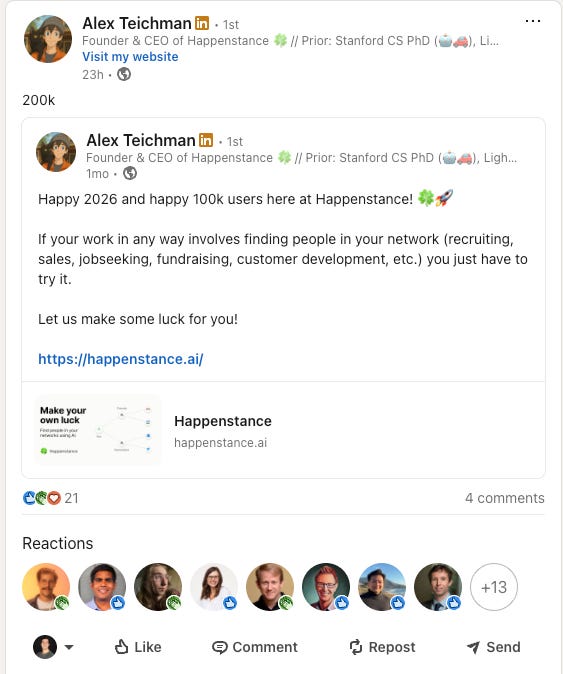
In the last few weeks, Happenstance went from 100K→200K users…. that’s insane.
The AI Acceleration Era
It’s been a fascinating time to build over the last 2.5 years. While the ChatGPT most people know dropped in late 2022, it feels as though things didn’t take off in terms of shipping speed until later in 2024. This was when we began to see teams like Cursor raising multiple rounds in just a few months time, and dozens of other tools absolutely flying off the shelves and raising subsequent rounds one after the next.
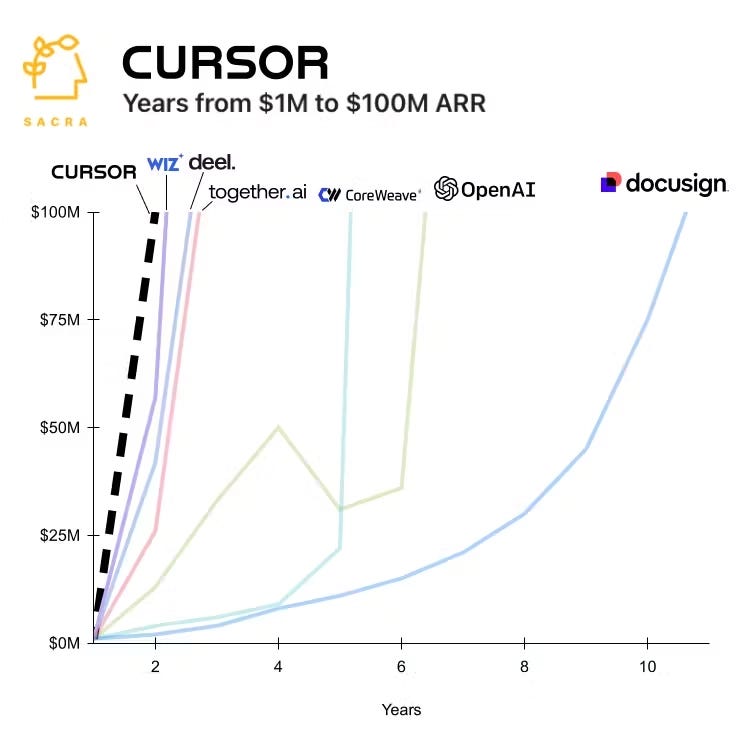
This growth felt more akin to viral consumer / social growth than B2B SaaS. So why is that?
Well, at it’s heart - these tools go-to-market motions involve product-led-growth (PLG) (or are a massive portion of it).
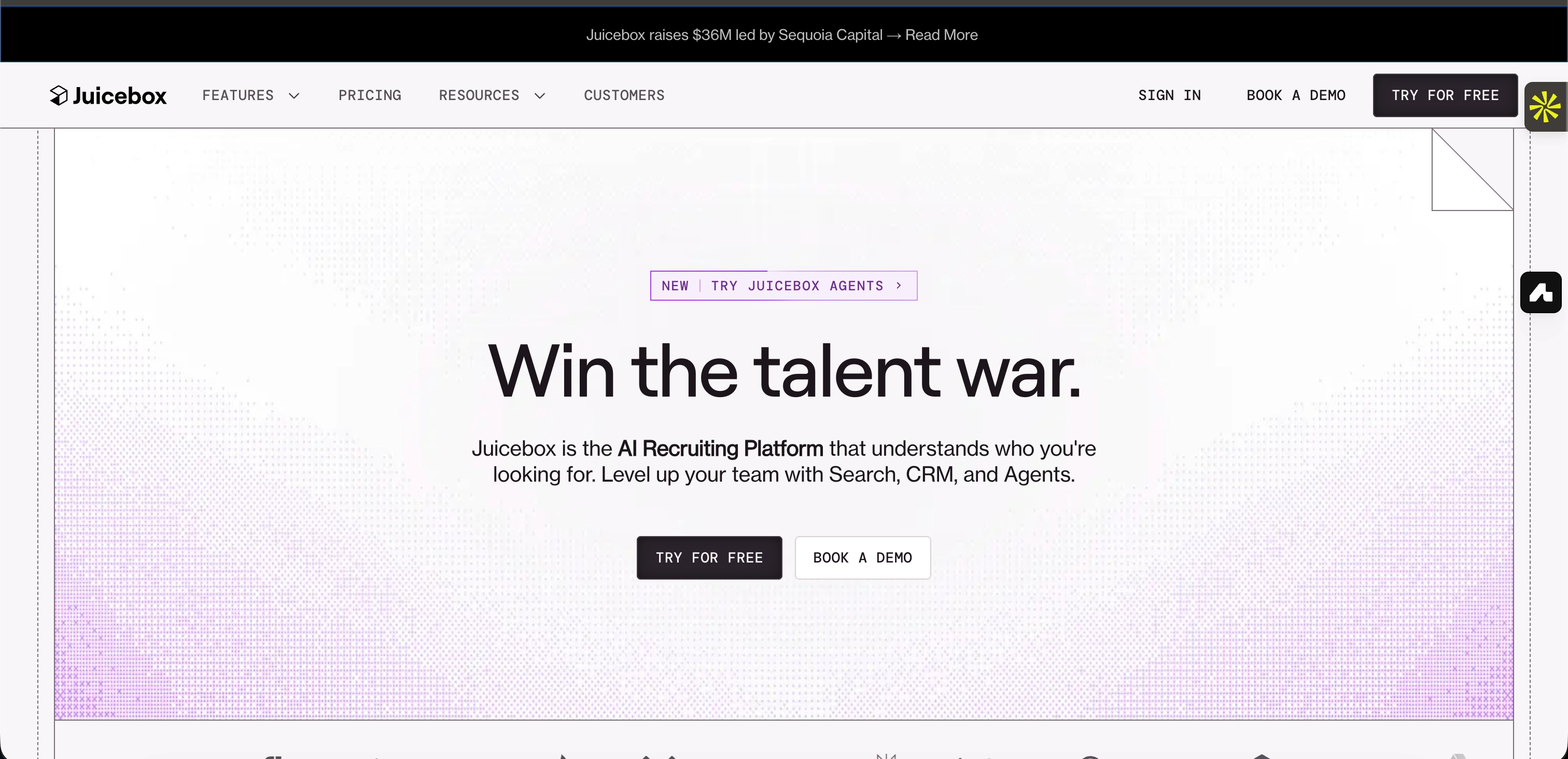
Cursor, Juicebox, Clay, PostHog, you name it - they all have free tiers for their products that get people hooked; and just when you are excited to run your next workflow, they toss in the paywall and convince you to pay for your first month :)
And obviously @alex_teichman from Happenstance shared their user growth….. mind boggling.
This product-led growth (”PLG”) is what makes these companies blow up so fast and it’s pretty intriguing that this type of growth is really only possible for PLG focused companies. The revenue is less sticky, and the ACVs are probably not as large, and enterprise sales are tougher; BUT, damn it must be cool going from 10 users to 1000 users in a matter of days or weeks. For top down sales, this takes months, or years!
For many companies, its not a matter of if but when. Companies build a strong top down product with initial design partners and early customers, and when they believe the opportunity is large enough and onboarding is simple enough, they build a free version of the product.
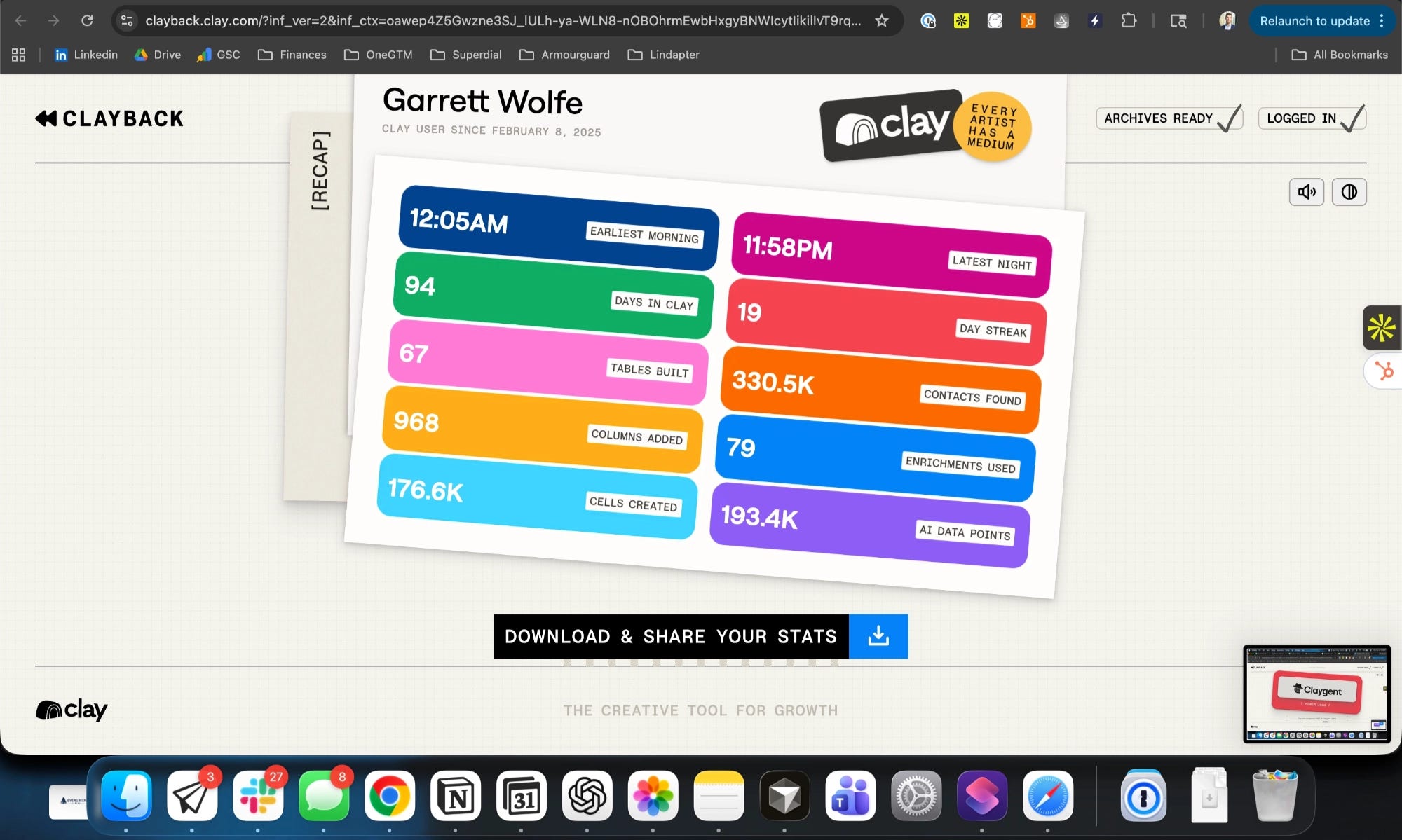
I will caveat the “simple enough” notion though; Clay is far from simple, and somehow they got a very picky and opinionated crowd of GTMEs to try and use this tool despite how difficult it is… Was it peer pressure? Was it curiosity? is it FOMO?
The companies of the future will most certainly have a large PLG component - where folks can sell to, build for, and connect with directly to the end users who will act as internal champions. Executing GTM for this motion is fundamentally harder (esp as you move upmarket and want to sell to an entire org), but it’s what enables this hockey stick growth in part!
Product-led growth is so powerful because it gets individual folks to try the product in an easy to onboard way, but moreover can
rapidly create product evangelists
organically enable for user-generated content, discussion in forums, and more
lead to user conferences, etc.
PLG is that super powerful lever for organic growth.
What PLG Actually Is (And What It’s Not)
Product-led growth isn’t just slapping a free tier onto your pricing page, it’s designing your entire go-to-market motion so that the product itself is the primary engine of acquisition, activation, and expansion. When you speak to teams who have nailed this, they spend hours upon hours upon hours with users, going extremely deep on customer discovery.
Clay literally made agencies the corner piece of their GTM to get them to build their businesses around their product. It’s brilliant, but moreover takes a certain type of intentionality.
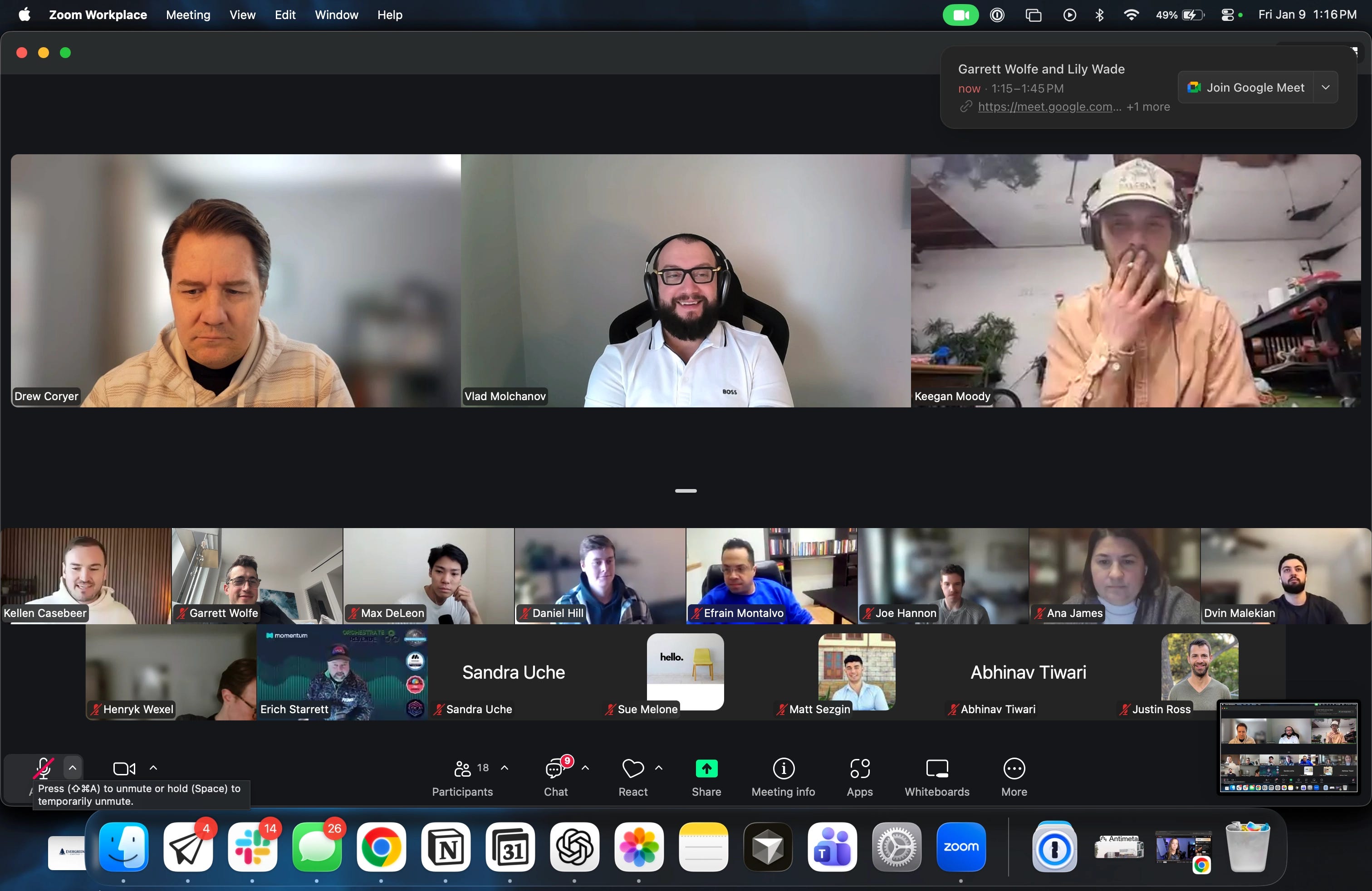
I have spent dozens of hours on the phone with other Claygencies in random corners of the internet, learning new ways to do things and being excited by my client’s excitement for the results. (s.o and GTMCafe.com). We all help one another, its a beautiful thing honestly.
It’s working with users, its making the product fun, its optimizing for conversion, it’s gamifying the experience, etc. It’s creating community that talks organically
Why PLG Explodes So Fast in the AI Era
PLG explodes in the AI era because individuals, not committees, are now the true distribution layer for modern software. Everyone has a Ramp card now (or Rho, i’m a fan).
People have been given more initiative to go forward and do their own procurement process and move faster since everyone else is doing it.
Innovate or be left behind, and tools that require a demo thats booked 2 weeks out will lose a battle to a competitor who can let you login yesterday :)
The Hidden Tradeoffs of PLG
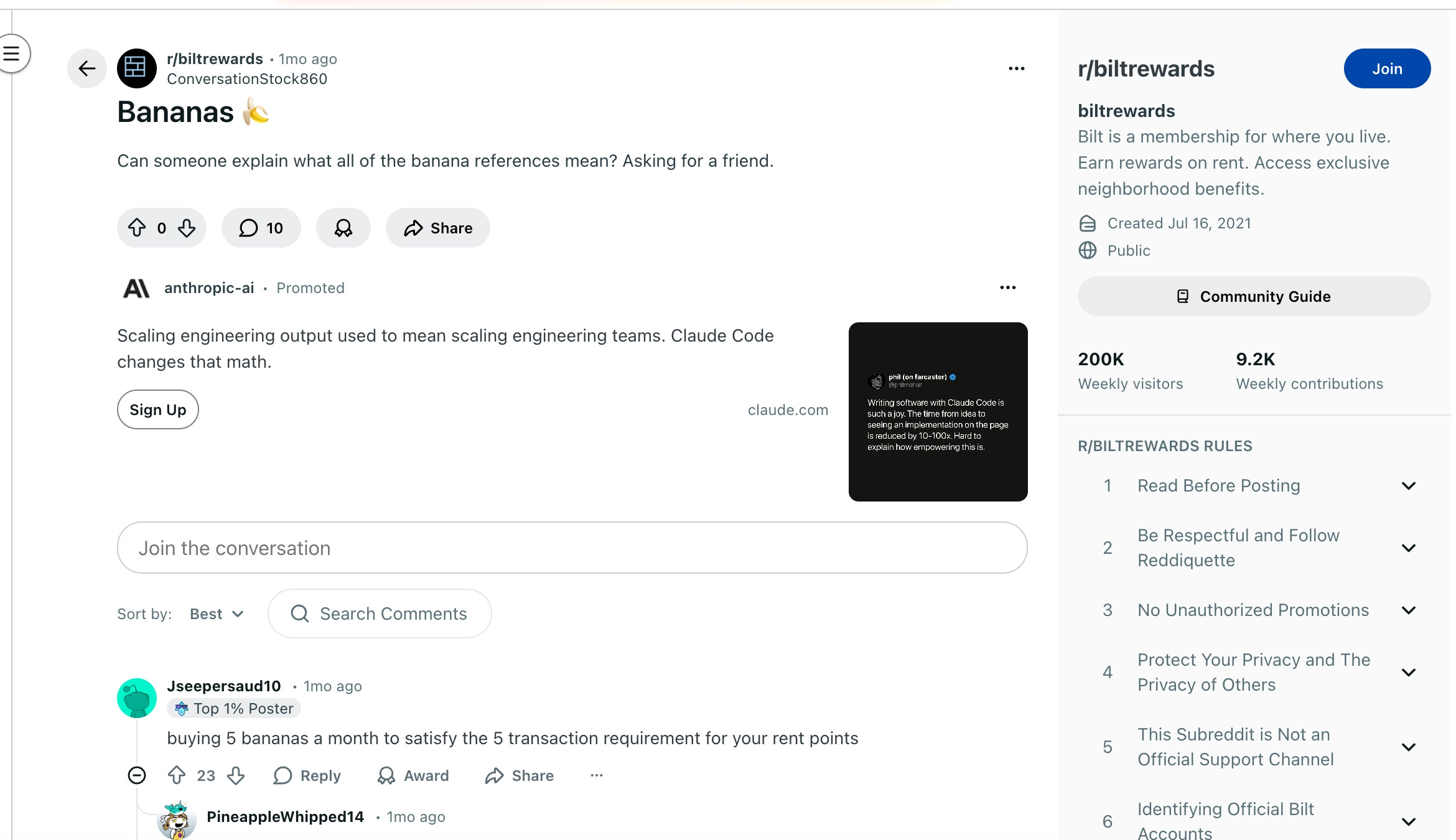
As intoxicating as that 10-to-1000 user jump can be, PLG comes with real tradeoffs around revenue stickiness, ACVs, and the complexity of moving upmarket. Just as easily as a user can join, that same user can vanish, and they can tell their frienda about it too!
It’s harder to give support to disparate individuals than one enterprise, and it certainly is more difficult to collect the credit card numbers of 100 people rather than manage it once with centralized billing. Moreover, the access controls and permissions are tough to nail here :)
PLG + Sales: The Hybrid Future

The future isn’t PLG versus sales, it’s PLG creating internal champions first and sales stepping in later to scale that usage across the organization.

Given the vast amount of data today and AI to be leveraged alongside it, I think PLG will have an even stronger and brighter future than it did a few years ago (in reference to Calixa shutting down, and Pocus moving away from PLG). I’m excited to see what people hack together or build into a SaaS here.
To that end, individuals can use AI to analyze usage data, understand trends, and help find buyers primed for a enterprise contract. This is the future, giving your idea wings with PLG, and then getting the whole flock with a proper sales process.
The Bigger Picture: PLG as Cultural Shift
At a deeper level, PLG isn’t just a growth strategy, it’s a cultural shift toward respecting the end user as the starting point of every go-to-market motion. Every person has limited attention, limited time, and above all - a opinion about what they want to do and how. They have buying power and they have intent to act with more agency than ever before.
Empower them.
Products that give them the keys, excite them, and provide value that is easy to understand will create some of the word’s greatest companies.
Go out and conquer!